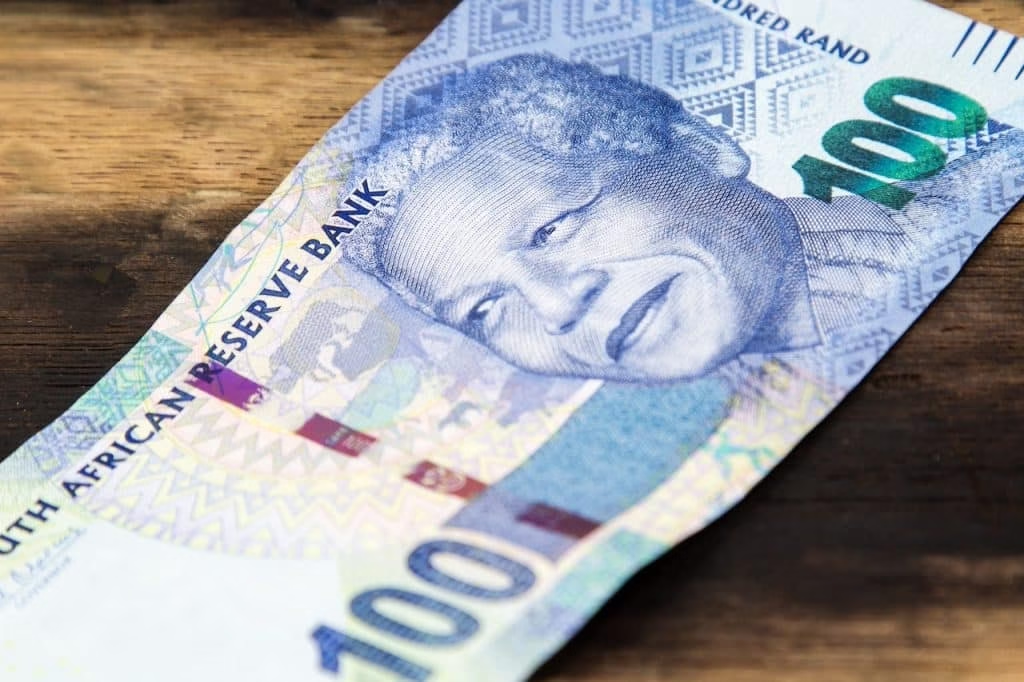
When money is tight and you need cash urgently, it can be tempting to turn to Mashonisa lenders—the informal, street-level loan providers found in many South African communities. They offer quick access to cash, no paperwork, and no questions asked.
But is it really worth it?
Before borrowing from a Mashonisa, it’s important to understand exactly what you’re getting into. While they may seem convenient, the risks are often far greater than the short-term benefits.
This guide breaks down what Mashonisa loans are, how they work, and whether you should ever consider using one.
What Exactly Are Mashonisa Loans?
A Mashonisa is an informal, unregistered lender operating outside South Africa’s regulated financial system. Unlike formal lenders such as banks or NCR-registered microfinance providers, Mashonisas:
-
Operate without legal oversight
-
Offer short-term cash loans
-
Charge whatever interest they want
-
Often demand aggressive repayments
They are common in townships and rural areas where access to formal credit is limited. But their methods and costs can be dangerous.
The Appeal: Why Some People Choose Mashonisa Loans
Although risky, Mashonisas remain popular because they offer benefits that struggling borrowers find attractive.
✔ 1. Fast Cash With No Paperwork
You walk in, ask for money, and walk out with cash. No bank statements, payslips, or ID required.
✔ 2. No Credit Checks
Your credit score does not matter. Even if you’re blacklisted or over-indebted, a Mashonisa will still lend you money—at a price.
This convenience is what draws many South Africans to Mashonisas… especially during emergencies.
The Hidden Danger: Why Mashonisa Loans Are Risky

What seems like an easy solution can quickly become a financial nightmare. The risks are serious and often long-term.
1. Mashonisas Are Illegal
Mashonisas are not registered with the National Credit Regulator (NCR).
This means:
-
No legal loan agreement
-
No regulated interest rates
-
No consumer rights
-
No protection under the National Credit Act
If something goes wrong, you have no legal recourse.
2. Extremely High Interest Rates
Mashonisas often charge:
-
30% interest per month
-
50% or more on late payments
-
Daily penalty fees
What starts as a small R500 loan can trap you into owing thousands.
3. Harsh or Unethical Collection Methods
Some common Mashonisa practices include:
-
Confiscating your bank card and keeping your PIN
-
Taking your SASSA card
-
Withdrawing your entire salary and returning only what’s left
-
Threats, intimidation, or harassment
-
Showing up at your workplace or home
These methods are illegal and dangerous.
4. No Consumer Protection
Because Mashonisas operate outside the law, you cannot:
-
Report them for unfair practices
-
Dispute interest or fees
-
Renegotiate the loan
-
Get financial relief
-
Cancel the agreement
You are completely unprotected.
Should You Ever Take a Mashonisa Loan?
No. Absolutely not.
Mashonisa loans may offer quick relief, but the long-term consequences can be devastating. The lack of regulation, excessive interest, and unethical collection practices make them one of the riskiest forms of borrowing in South Africa.
Safer Alternatives to Mashonisa Loans
Instead of resorting to illegal lenders, consider safer, legal, and regulated options:
✔ NCR-Registered Micro-Lenders
These follow the National Credit Act and offer fair rates.
✔ Bank Personal Loans
Even small personal loans are safer and more affordable.
✔ Credit Union or Stokvel Loans
Often cheaper and backed by community support.
✔ Employer Salary Advances
Some employers offer low-interest or interest-free advances.
✔ Debt Counselling / Consolidation
If you are overwhelmed by debt, this can help you restructure repayments.
Final Verdict
Mashonisa loans should be avoided at all costs.
While they offer quick cash, the dangers far outweigh the benefits. Borrowers risk falling into a cycle of debt, losing control of their income, and facing intimidating or unethical collection practices.
It is always safer to borrow from a registered credit provider that is regulated, transparent, and compliant with South African law.
Tags: avoid Mashonisa loans, debt traps South Africa, emergency loans SA, high-interest loans SA, illegal lenders South Africa, informal loans SA, loan safety tips SA, Mashonisa dangers, Mashonisa loans, Mashonisa risks, micro lenders South Africa, NCR registered lenders, personal loans South Africa, safe loan alternatives